
Claude Picked a Food Fight at the Super Bowl
When your product just shook markets, why lead with a monetization jab?

Before diving into the main story, here are a few headlines worth noting.
Super Bowl ads show that AI is moving from novelty to infrastructure, with brands like Budweiser, Amazon, and OpenAI treating it as a serious business enabler, according to Ad Age. Rather than flashy “AI magic,” most campaigns positioned AI as quietly powering creativity, logistics, personalization, or scale behind the scenes. The shift signals that marketers now see AI less as a gimmick and more as core brand plumbing that doesn’t need over-explaining to audiences.
Eight “leading thinkers” sketch dramatically different AI futures, ranging from major breakthroughs and abundance to destabilization and concentrated power, according to The New York Times. A consistent thread is that outcomes hinge less on the tech itself and more on incentives, governance, and how institutions deploy it. The piece ultimately treats the AI future as a set of contested paths we’re actively choosing, not a single forecast.
Moltbook is “peak AI theater,” and a viral AI-only social feed that looked like agent autonomy but is largely spectacle, says the MIT Technology Review. The hype showed how quickly audiences can confuse entertaining bot behavior with real independent intelligence. It’s a reminder for leaders to separate flashy demos and narrative packaging from production-ready capability and ROI. Bottom line: skepticism is rising, and AI claims increasingly need clear evidence—not just novelty.
Big Stage, Small Message
The Super Bowl is still the most expensive attention marketplace on earth. Roughly 125 to 130 million people are expected to watch. A 30-second slot is hovering around $8 million (sometimes higher), and that does not include production, which can easily add another $2 million to $6 million once you account for production, editing, and talent.
I’ve been in and around this world for a long time. I’ve worked on Super Bowl campaigns as I built my career in marketing and innovation, and I’ve also written about Super Bowl advertising in Adweek, Huffington Post, Forbes, and Harvard Business Review. I love the spectacle. I respect the craft. But this year I want to focus more specifically on the AI battles in the Super Bowl, because they reveal how these companies think about trust, distribution, economics, and power.
Right now, Google is winning.
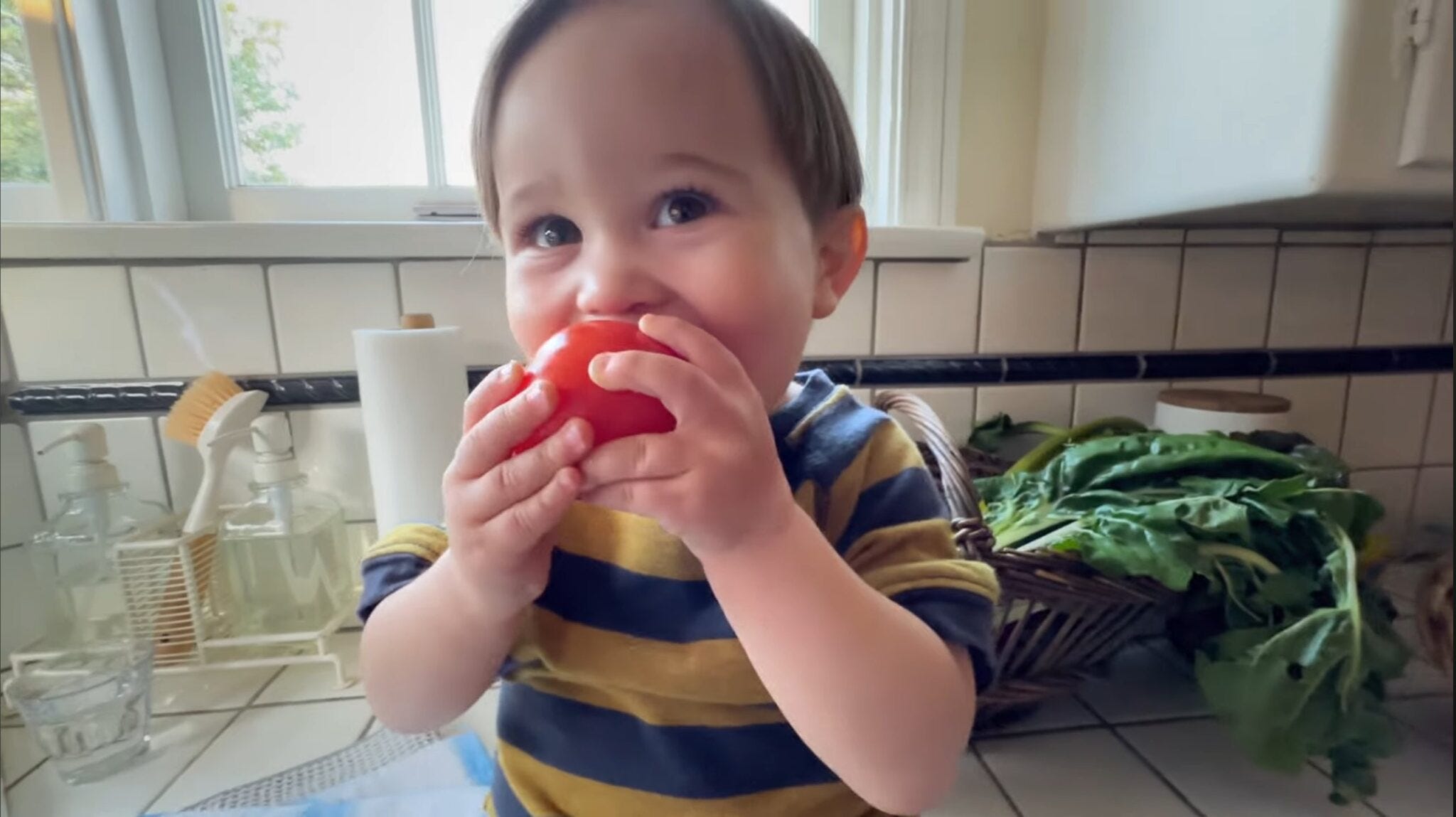
Not because Gemini is magically better in every way, but because Google remembered how to market artificial intelligence: human-centered, practical, and emotionally compelling.. Make it human-centered, practical, and emotionally compelling. No cosmic prophecy. No inside jokes. Just a clear story about how the tool helps people in real life. That’s the standard and their Super Bowl ad is worth watching as a result.
OpenAI? We’ll see what it launches. They haven’t pre-seeded an ad, though they’re expected to run one. Last year’s effort, which I discussed at length, landed like a lofty (arguably even pompous) category manifesto: ambitious, polished, and detached from everyday utility. This year, I’m genuinely curious. They have the consumer reach. They have the cultural resonance. They just need the storytelling discipline.
Which brings us to the most confusing strategic choice of the week - Anthropic.
Claude Cowork was the real story, not the ad angle.
If Anthropic wanted a Super Bowl moment, it already had one. January’s enterprise push, including Anthropic launching Claude Cowork, is the real “here’s what matters next” headline. ClaudeWork is not just a chat experience. It’s the beginning of Claude as a work layer, placing AI agents closer to real workflows, with the enterprise features required by organizations that live with real risk, compliance, and accountability. And most importantly, Anthropic built it so that non-technical users could use it as well.
That release mattered enough that it was widely cited as one of the sparks behind a brief but worrying stock market wobble, as investors started gaming out the fear that if agentic AI becomes real at scale, chunks of the software as a service (SaaS) economy will get squeezed. When a product announcement makes markets flinch, you have a story with weight. And when you have a story with weight, product and marketing should be in sync.
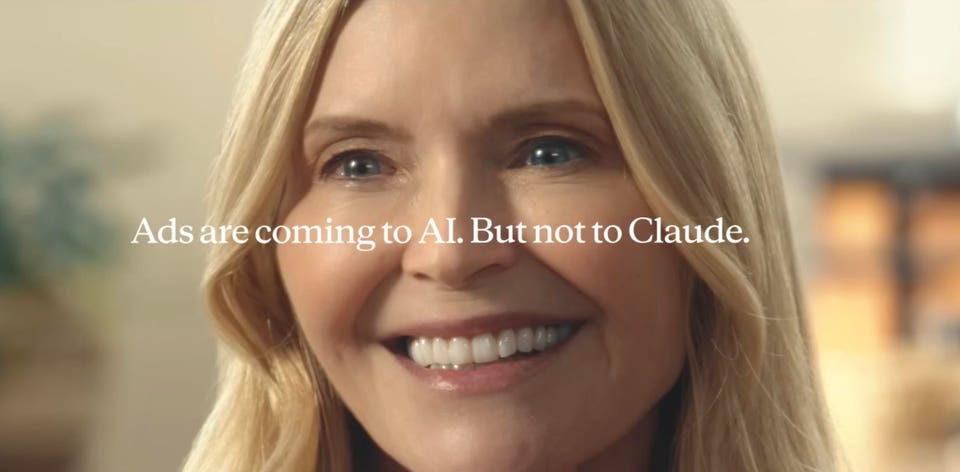
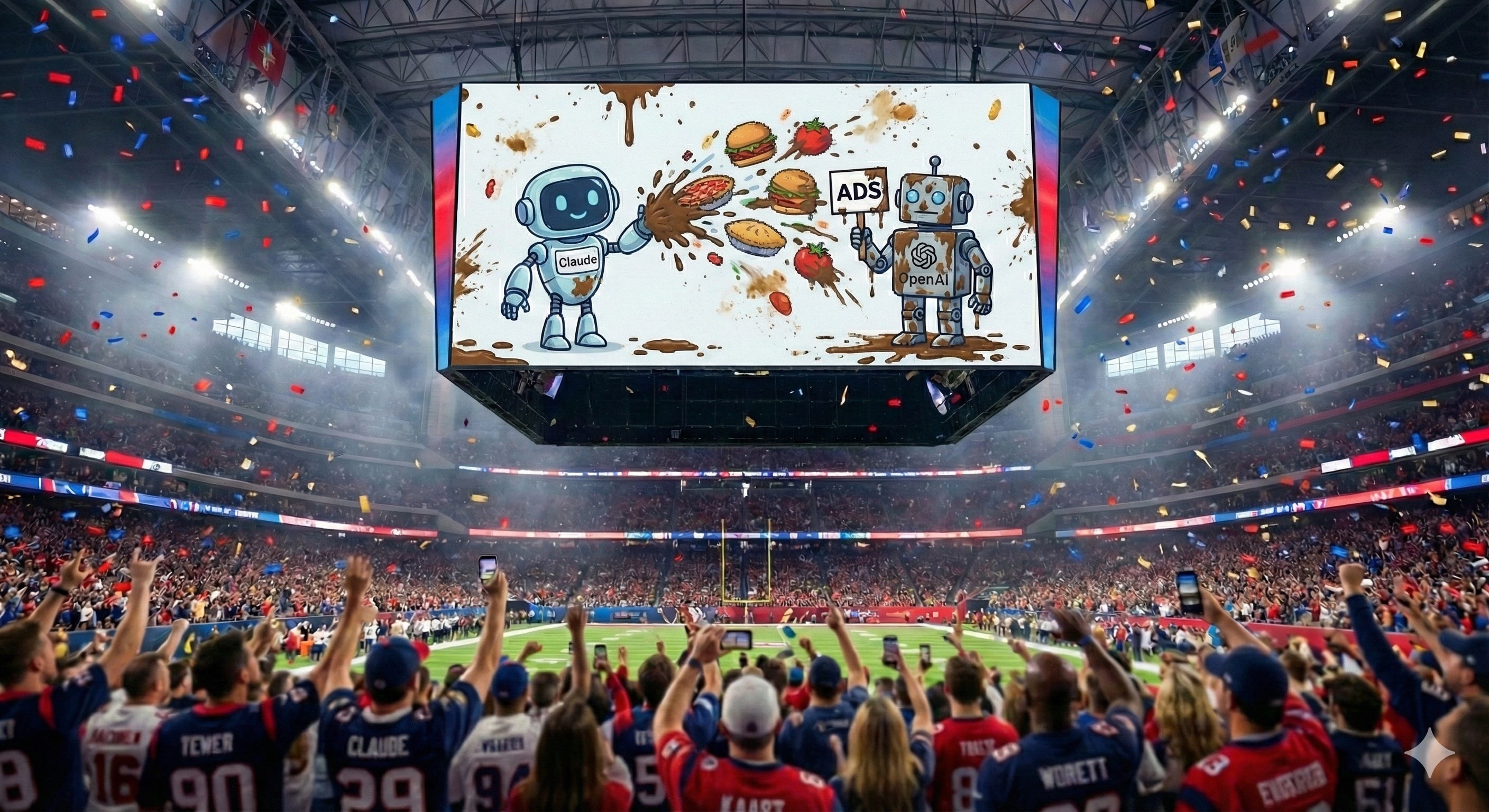
But instead of building on that momentum, Anthropic chose a very different message for the Super Bowl. Anthropic decided that the biggest stage in America warranted a monetization jab - “Ads are coming to AI, but not to Claude.” Catchy line. Small fight. And it’s disingenuous for a few reasons.
It leans on the implication that “no ads” means “no outside influence.” That’s comforting, but it’s not true. These systems are shaped by training data, policy choices, partnerships, risk posture, and product incentives. Advertising is one possible influence, not the only one, and in the future, that too may change.
It’s ironic. Anthropic is advertising Claude everywhere, including a Super Bowl buy and paid distribution across major digital channels. “Ad-free” here really means “no ads inside the chat interface.” Fine. But that’s a far narrower claim than the halo it tries to project.
It’s insider baseball. Most people are not tracking rumored ad tests inside AI assistants. In my own informal mini-survey, the feedback was blunt: the ad entertained, but it didn’t drive behavior. Many didn’t even know what it was referencing. Some didn’t realize it was a dig at OpenAI at all. If your punchline requires prior knowledge, it doesn’t land its positioning.
OpenAI CEO Sam Altman’s response to the Claude ad cut through because it framed the real strategic tradeoff in plain language. He described Anthropic’s subscription posture as serving “an expensive product to rich people,” then added: “We are glad they do that, and we are doing that too, but we also feel strongly that we need to bring AI to billions of people who can’t pay for subscriptions.”
Claude can absolutely own the enterprise lane. In many ways, it already does the “grown-up” thing better. But then lead with the enterprise story. Or lead with the product that just rattled markets, even if you’re using that enterprise credibility to earn consumer trust. Don’t lead with a niche monetization flex that most consumers will shrug at or miss entirely. I say this as an Anthropic fan: they got this one wrong.
The real AI story isn’t the AI companies
Here’s what matters for every marketer watching - the real AI story of this Super Bowl is not Claude versus OpenAI versus Google. It’s that so many “normal” Super Bowl advertisers used AI in various ways to make their ads.
AI is now baked into the creative supply chain, from ideation, scripting, and storyboards to pre-visualization, editing, compositing, localization, and rapid versioning. That changes the economics of creativity. It compresses timelines. It can reduce certain production costs. It increases iteration. It also increases the amount of integration work required such as human judgment, verification, and coherence across versions.
It creates the questions CMOs should be asking their agencies, and themselves, right now (not next quarter):
Exactly how much time did we save?
Exactly how much money did we save, and where did it go?
What AI tools were used, and where?
Did the savings come back to the brand, or quietly become agency margin?
Did we improve the work, or just speed up the machine?
What still surprises me is how reluctant we are to talk publicly about where and how AI is actually being used. Maybe we’re simply too afraid of employee backlash to be more open about the tools, the technologies, and the savings.
Google is telling a human story that makes AI feel useful. Anthropic had a product story important enough to move markets, then chose to pick a small fight on the biggest night in media by talking about the monetization strategy for Claude. That’s not maturity. That’s not maturity. It’s a missed moment. Now we’ll see what OpenAI does.
I hope you have a wonderful Super Bowl Sunday with your family and friends.
What to Watch For in the Ads
As you watch, look past the jokes and the celebrity cameos. The interesting signals are structural.
Proof of utility: Does the ad show AI doing a real job in a real moment, or is it “AI” as vibe, prophecy, or costume?
The trust posture: Is the brand implicitly saying “we’re safe,” “we’re powerful,” or “we’re for you”? Those are different promises.
Distribution strategy: Is the ad trying to drive product trial, build brand comfort, or establish category authority? You can usually tell by the call-to-action and the specificity of the demo.
The human role: Does the story treat people as decision-makers and editors, or as spectators to machine magic? That choice reveals how the company thinks work will change.
The AI aesthetic trap: Watch for the tired shorthand (especially the fembot trope). It’s rarely insightful. It’s what happens when “AI” becomes visual cliché instead of a point of view.
What I’m reading
AI-powered search cut traffic by up to 60% (LinkedIn)
Machines Are Your Content’s New Audience (Forrester)
Call Your OpenClaw over the phone (ElevenLabs)
AI.com with SB ad promoting consumer agentic platform (Ad Age)
What I’ve written lately
AI Everywhere, Wisdom Nowhere (January 2025)
Authenticity is Dead (January 2025)
The Wrong Code Red (December 2025)
Creativity’s Coming Reckoning (November 2025)
AI’s Next Frontier: Making Us More Human (October 2025)
Shiv Singh is a C-suite advisor and CEO of Savvy Matters, helping business teams translate AI disruption into practical business and marketing strategies, organizational design, executive-ready roadmaps, and bespoke education programs. He is also the Co-Founder of AI Trailblazers, a vibrant community uniting marketers, technologists, entrepreneurs, and venture capitalists at the forefront of AI.
A former two-time Chief Marketing Officer and author of Marketing with AI for Dummies (4th print run, translated into five languages), he built his career at LendingTree, Visa, PepsiCo, and Expedia Group, and serves as a public-company board member of a Fortune 300 company and private investor.